Ecommerce
Ecommerce Conversion: 12 Fixes That Turn Browsers Into Buyers
Most online stores don't have a traffic problem. They have a conversion problem. These twelve fixes — from product pages to checkout — help more of your existing visitors actually buy.

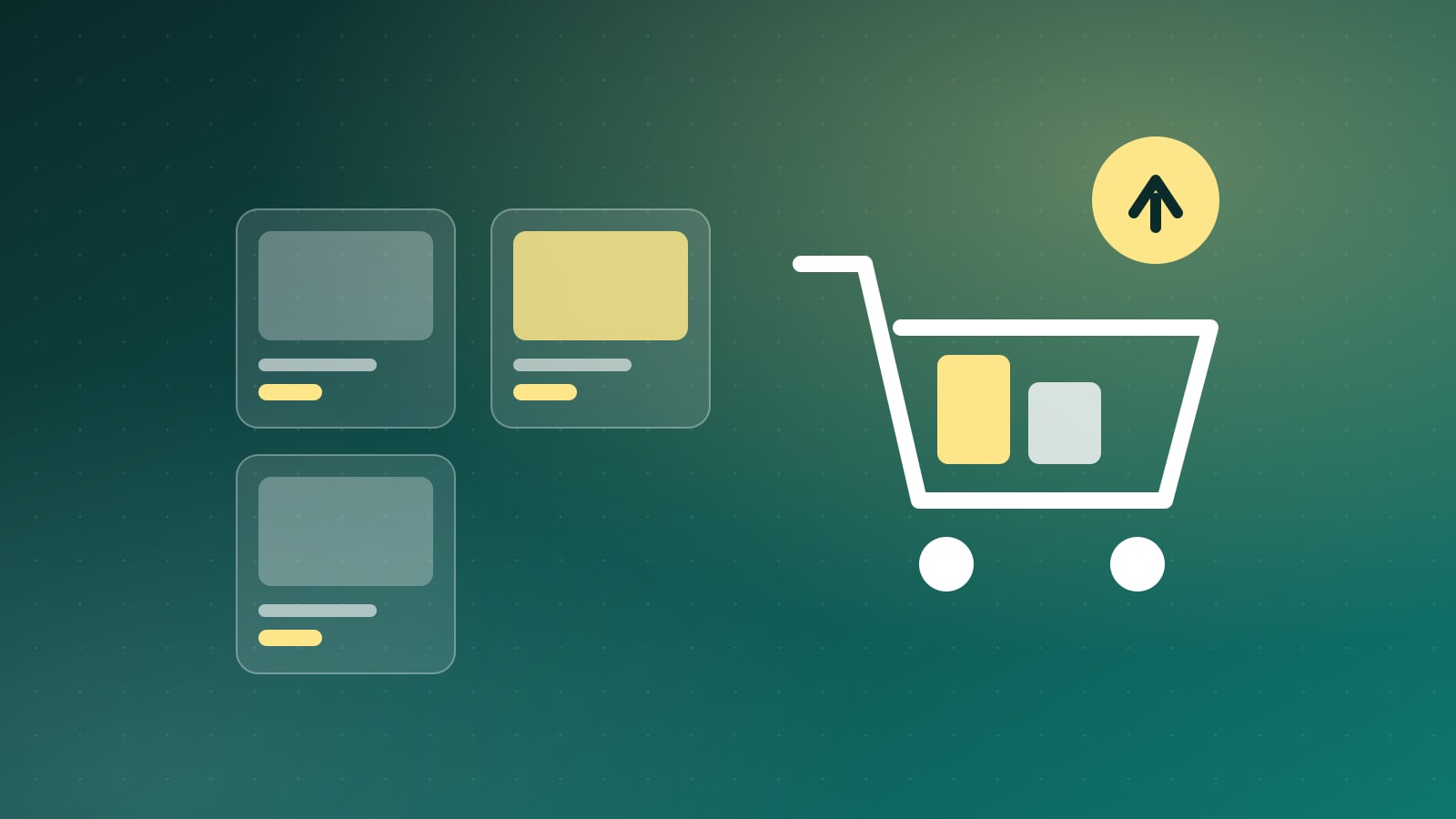
When online sales are flat, the instinct is to buy more traffic — more ads, more influencers, more promotions. But if your store converts poorly, more traffic just means paying to send more people to a leaky bucket.
The math is simple. If your store gets 20,000 visitors a month and converts at 1%, you make 200 sales. Nudge conversion to 1.5% and you make 300 — a 50% increase in orders without spending a penny more on marketing.
Here are twelve fixes that consistently move the needle.
First, find where you're losing people
Before changing anything, look at your funnel in analytics:
Visits → product views → add to cart → checkout started → purchase
The biggest drop-off tells you where to focus. A low product-to-cart rate points to product pages. A high cart abandonment rate points to shipping costs or checkout friction. Fix the biggest leak first.
Product pages
1. Show the product properly
Online shoppers can't touch, try or turn the product over. Your images have to do that job:
- Multiple high-quality photos from every angle
- Zoom, and lifestyle shots showing the product in use or to scale
- Short videos for products where movement or fit matters
For luxury goods, presentation is everything. When we built the online boutique for authorised watch dealer Blome Uhren, editorial-grade photography and restrained layout were as important as any feature.
2. Write descriptions that sell, not just describe
Lead with the benefit, then the details. Answer the questions a sales assistant would be asked: What size? What's it made of? Will it fit my needs? How do I care for it? Use scannable bullets for specs and a few sentences of persuasive copy for the story.
3. Put social proof next to the buy button
Star ratings, review counts, customer photos and "bestseller" badges reassure shoppers at the exact moment they're deciding. Reviews that mention specific details ("true to size," "arrived in two days") are especially persuasive.
4. Remove surprises about price and delivery
Unexpected costs at checkout are one of the most commonly cited reasons for cart abandonment. Show delivery costs, delivery times and your returns policy on the product page, not only at the end. If you offer free delivery above a threshold, say so clearly — and show a progress bar in the cart.
Checkout
5. Offer guest checkout
Forcing account creation before purchase costs sales. Let people buy as a guest, and offer to save their details after the order is complete.
6. Cut the checkout to the essentials
Every field is a small reason to quit. Remove anything non-essential, use address lookup, auto-detect card types, and show a clear progress indicator. On mobile, make sure the right keyboard appears for each field (numbers for phone and card, email keyboard for email).
7. Offer the payment methods your customers trust
Cards, Apple Pay, Google Pay, PayPal, buy-now-pay-later, and local methods matter — and they vary by market. In some regions, cash on delivery or bank transfer is still expected. We built Shopping Article's multi-payment checkout around exactly how customers in its market prefer to pay.
8. Show trust signals at the point of payment
Secure-payment badges, recognisable payment logos, a visible returns promise and genuine-product guarantees help nervous shoppers commit. For The Time House, authenticity and international warranty messaging sit front and centre because they're what customers worry about most when buying watches online.
Speed, search and mobile
9. Make it fast — especially on mobile
Most ecommerce traffic is now mobile, and slow stores lose shoppers before they see a single product. Compress images, lazy-load below-the-fold content, limit third-party apps and scripts, and test on a real mid-range phone over a typical mobile connection — not just on your office Wi-Fi.
10. Make search and navigation effortless
Shoppers who use search are often your highest-intent visitors. Give them:
- Autocomplete with product images
- Tolerance for typos and synonyms
- Useful filters (size, price, colour, brand, availability)
- Clear categories that match how customers think, not how your warehouse is organised
For a large catalogue like Fatafut Mart's 1,499+ products across 12+ categories, category structure and search are what make it possible to replace an in-store shop with an online one.
After the first visit
11. Recover abandoned carts
Many shoppers who abandon a cart are still interested — they got distracted, wanted to compare prices or weren't ready. A well-timed sequence of reminders (email, SMS or WhatsApp where permitted) can win back a meaningful share of them. Keep the first reminder helpful rather than pushy; save discounts for later in the sequence, if you use them at all.
12. Turn first orders into repeat customers
The cheapest sale is the second one. Post-purchase emails with care tips, order tracking, "complete the look" recommendations, loyalty points and replenishment reminders all bring customers back. For businesses with frequent repeat purchases, a dedicated app can make reordering almost frictionless — we cover that in how a mobile app can boost your business.
Test, don't guess
Opinions about what "should" work are cheap. Data is better. Wherever you have enough traffic:
- Change one thing at a time
- Run the test long enough to be meaningful (at least a full weekly cycle)
- Measure revenue per visitor, not just conversion rate — a change that lifts conversion but cuts order value may not be a win
Platform or custom build?
Hosted platforms like Shopify are a great starting point for many stores: fast to launch, reliable and packed with apps. A custom or headless build starts to make sense when you need:
- Complex pricing, bundles or B2B logic
- Multi-vendor marketplace features (like Erezon's seller onboarding)
- Deep integration with ERP, warehouse or accounting systems
- Performance or design freedom beyond what themes allow
- Freedom from app fees that grow with your revenue
Many successful stores start on a platform and move to custom as they scale. The right answer depends on where you are and where you're heading.
Your quick-win checklist
- Delivery costs and times visible on product pages
- Guest checkout enabled
- Express payment options (Apple Pay / Google Pay) switched on
- Reviews displayed near the add-to-cart button
- Mobile page speed tested on a real phone
- Abandoned cart reminders running
- Checkout fields cut to the minimum
The bottom line
Conversion optimisation is the highest-leverage work most online stores can do. Every improvement makes every future marketing pound work harder.
Want more sales from the traffic you already have? Our ecommerce development team builds and optimises online stores — from Shopify builds to fully custom marketplaces. Ask us for an ecommerce conversion review and we'll show you where your store is leaking sales.
Founder of Aizsol Technologies. Shazaib and the team build web platforms, mobile apps, AI tools and automation for businesses across the UK, US, Europe and the Middle East.