Business Growth
Why Your Business Is Losing Customers — 9 Hidden Leaks and How to Fix Them
Most businesses don't lose customers in one dramatic moment. They lose them quietly — an enquiry answered too late, a quote nobody followed up, a checkout that asked one question too many. Here's where the leaks usually are, and how to plug them.

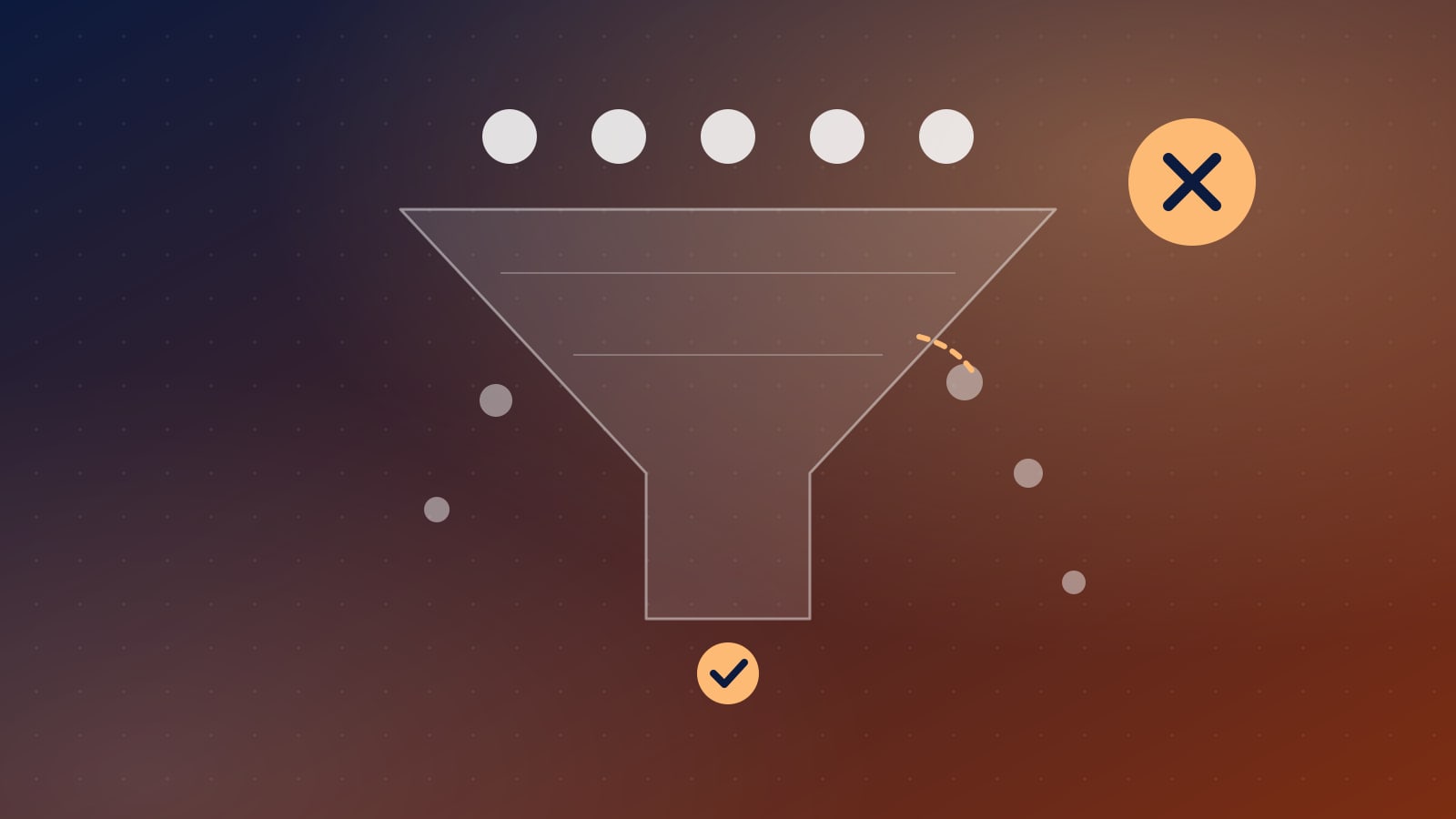
If sales have gone flat — or you're getting enquiries but not enough of them turn into paying customers — it's tempting to blame the market, the competition or the price.
Sometimes that's true. But far more often, the business is getting enough interest and simply leaking customers at points nobody is watching: the hours between an enquiry and a reply, the days after a quote is sent, the moment a returning customer finds no reason to come back.
The frustrating part is that these leaks are invisible from the inside. You don't see the person who gave up on your booking form. You don't hear from the lead who went with whoever called back first.
Here are the nine leaks we see most often, how to spot them, and how to fix each one.
1. You reply too slowly
Speed of response is one of the strongest predictors of whether an enquiry becomes a customer. A widely cited Harvard Business Review study of more than 2,000 companies found that firms that contacted a lead within an hour were around seven times more likely to qualify that lead than firms that waited even an hour longer — and many companies took more than a day.
The reason is simple: most people contact several businesses at once. The first one to respond helpfully usually wins.
Signs this is happening:
- Enquiries sit in a shared inbox until someone "gets to them"
- Out-of-hours messages wait until the next working day
- Nobody can tell you your average reply time
How to fix it:
- Send an instant, personal-sounding acknowledgement to every enquiry — with a clear "we'll call you by…" promise
- Route new enquiries to a named person's phone, not just an inbox
- Offer WhatsApp or live chat for people who want an answer now
- Use an AI assistant to answer common questions and book calls outside office hours
2. Nobody follows up
Many sales need more than one touchpoint. Yet a huge number of quotes are sent once and never chased — not because anyone decided to give up, but because nobody was responsible for remembering.
Signs this is happening:
- Quotes are tracked in someone's head, a notebook or an email folder
- You've discovered a "lost" lead months later that would have said yes
- Follow-up depends on how busy the team is that week
How to fix it:
- Put every lead and quote into one pipeline with a clear status and a next action date
- Automate a polite follow-up sequence: a check-in after two days, a useful resource after a week, a final nudge after two weeks
- Get a weekly view of every open quote, so nothing slips
This is exactly what a CRM built around your sales process is for. Even a simple pipeline beats a busy inbox.
3. People can't find you — or find the wrong things
Customers increasingly research online before they ever contact you. If they search for what you do and find competitors, outdated information or nothing at all, you lose them before you even know they existed.
How to fix it:
- Claim and complete your Google Business Profile with accurate hours, photos and services
- Make sure your name, address and phone number are identical everywhere online
- Give each service its own page on your website, written around what customers actually search for
- Publish helpful content that answers your customers' real questions
We covered this in depth in why most business websites don't bring results.
4. You don't look trustworthy enough
When someone is about to spend money with a business they've never used, they look for reasons to feel safe. If they can't find any, they keep looking — at your competitors.
Common trust gaps:
- No reviews, or reviews that are years old
- Stock photos instead of real people, premises and work
- No case studies or examples of results
- A website that looks outdated or broken on mobile
- No physical address, or contact details buried in the footer
How to fix it:
- Ask every happy customer for a review — and make it a one-tap link
- Show real work: before-and-after photos, case studies, named testimonials
- Display relevant accreditations, guarantees and clear policies
- Make sure your website is fast, modern and works perfectly on a phone
5. Buying from you is harder than it should be
Every extra step between "I want this" and "done" loses people. Long forms, booking by phone only, no online payment, a checkout that forces account creation — each one is a small tax on your customer's patience.
How to fix it:
- Cut forms to the essentials — name, contact, and what they need
- Let customers book, pay or request a quote online, 24/7
- Offer the contact method they prefer: form, phone, WhatsApp, or a booking calendar
- Test your own buying process on your phone, as a stranger would
For online stores, small checkout fixes often make the biggest difference — see 12 ecommerce fixes that turn browsers into buyers.
6. Your customer experience is inconsistent
A customer who has a great experience with one member of staff and a confusing one with another doesn't remember the good part. Inconsistency usually comes from information living in different places: one person's email, another's spreadsheet, a third person's memory.
How to fix it:
- Keep every customer's history — calls, emails, orders, notes — in one place everyone can see
- Standardise the key moments: onboarding, updates, delivery, handover
- Automate routine updates ("your order has shipped", "your appointment is tomorrow") so they never depend on someone remembering
7. Manual processes slow everything down
When your team spends hours copying data between systems, chasing paperwork and sending the same emails, two things happen: customers wait longer, and mistakes creep in. Both cost you customers.
How to fix it:
- List the tasks your team repeats every week
- Automate the ones that follow clear rules — data entry, invoicing, reminders, reporting
- Connect the tools you already use so information flows automatically
We explain how in business automation: how to win back 20+ hours a week. Our business automation service does exactly this.
8. You forget customers after the first sale
Winning a new customer usually costs far more than keeping an existing one. Research by Bain & Company famously found that a small increase in customer retention can have an outsized effect on profit. Yet many businesses put all their effort into the first sale and then go silent.
How to fix it:
- Check in after delivery: "Is everything working as expected?"
- Send timely reminders for repeat needs — servicing, renewals, reorders, check-ups
- Reward loyalty and referrals
- Share useful updates, not just promotions
A simple mobile app or customer portal can also keep you one tap away, with bookings, loyalty and notifications in your customer's pocket.
9. You're not measuring where customers drop off
You can't fix a leak you can't see. Many businesses know their total sales but not how many enquiries they received, how fast they replied, how many quotes they sent or what percentage converted.
Start tracking these five numbers:
- Enquiries per month, and where they came from
- Average time to first reply
- Quotes sent
- Quote-to-customer conversion rate
- Repeat customers and why the others didn't return
Once you can see these numbers, the biggest leak usually becomes obvious — and fixing it is often far cheaper than finding new customers.
A 10-minute self-check
Answer honestly:
- Do we reply to every new enquiry within an hour during working hours?
- Is every open quote tracked with a follow-up date?
- Does a Google search for our service show us with recent reviews?
- Can a customer book, buy or get a quote online at 11pm?
- Does everyone on the team see the same customer history?
- Do we contact customers after the first sale?
- Do we know our quote-to-customer conversion rate?
Every "no" is a leak — and a fixable one.
The takeaway
Losing customers rarely comes down to one big failure. It's the accumulation of small gaps: slow replies, missed follow-ups, missing trust signals, friction in buying, and silence after the sale.
The good news is that most of these gaps can be closed with a combination of better process and the right systems — a CRM that never forgets a lead, automation that responds instantly, and a website that earns trust and makes buying easy.
Not sure where your business is leaking customers? Tell us how you currently handle enquiries and sales and we'll send you a free assessment with the two or three changes likely to make the biggest difference — no obligation.
Founder of Aizsol Technologies. Shazaib and the team build web platforms, mobile apps, AI tools and automation for businesses across the UK, US, Europe and the Middle East.